The island sets the terms
Grazing matched to how fast the land recovers. Herds kept off nesting grounds and streams.
Our Ranch · Umnak Island, Alaska
One island, one herd, and nothing between the grass and your plate.
Why Okmok
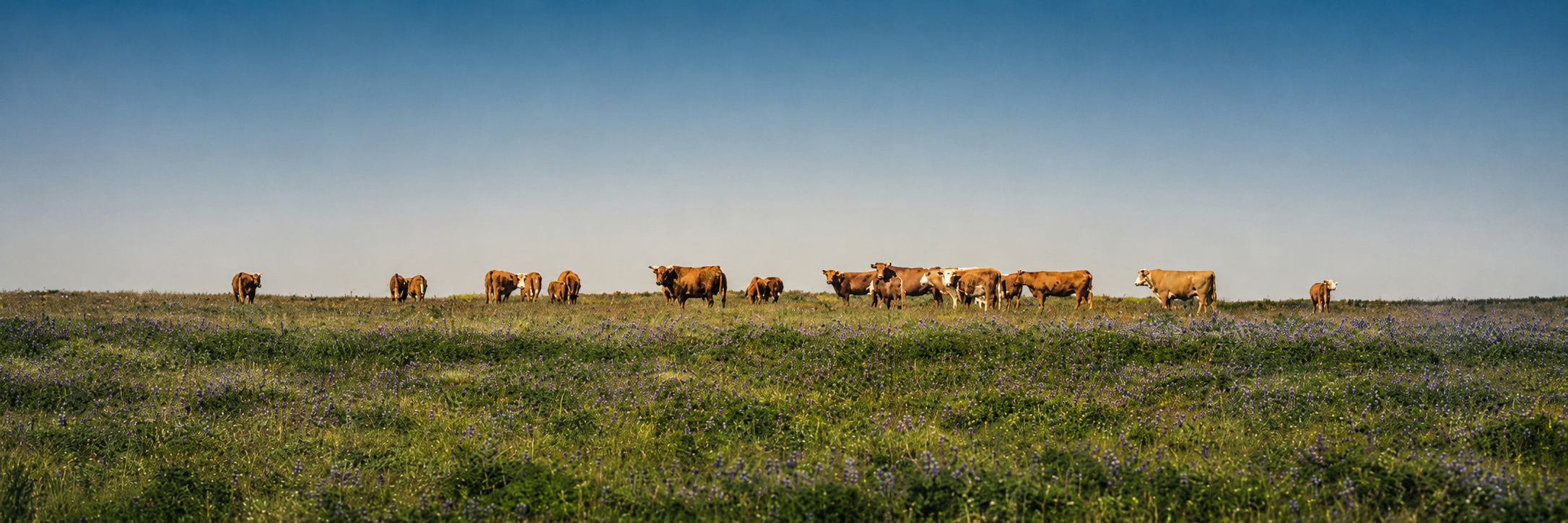
A herd shaped by a century of natural selection, on grassland the ocean keeps green all year. We are fifth-generation ranchers here to bring both under responsible management, so the land heals and the beef stays as natural as it gets.
Grazing matched to how fast the land recovers. Herds kept off nesting grounds and streams.
A century of selection built cold-hardy, disease-free genetics. We manage to keep them.
Five generations of ranching, with GPS halters and invisible fencing instead of barbed wire.
No unverified superlatives. Progress documented, status labels truthful.
The Island
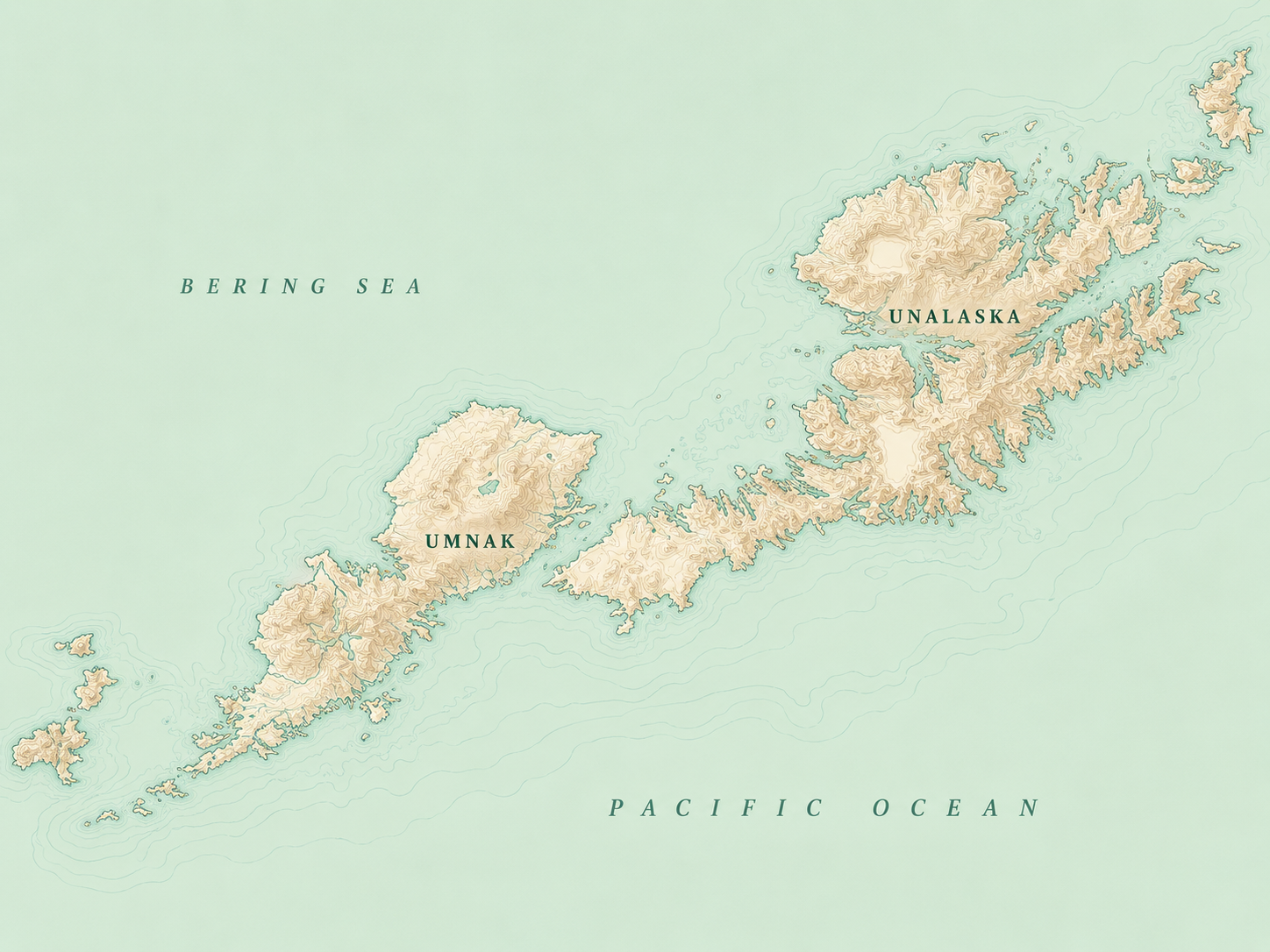
Umnak sits in the eastern Aleutians, where two oceans collide and grow lush grassland at a latitude where almost nothing grows like this.
Warm Pacific air meets cold Bering Sea air, breeding wild weather and a rare island microclimate.
Tempered by the ocean, Umnak never reaches the deep freeze of mainland Alaska.
Coast to caldera, unbroken grass, fireweed and lupine on deep volcanic soil.
Live · Fort Glenn, Umnak
The Breed
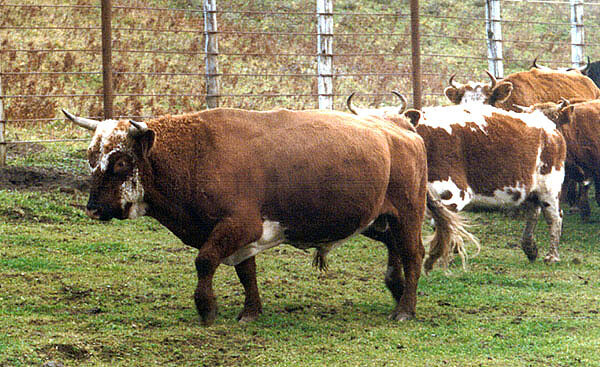
Brought in the days of Russian America, then left alone for a century of Aleutian winters. A 2007 USDA study found Chirikof cattle closest to rare Siberian Yakut cattle.
The Herd
From grass to plate
01
Over 500,000 acres of leased Native Corporation land. No trees, just grass on deep volcanic soil.
02
Landed in the era of Russian America, then shaped by a century of Aleutian winters.
03
About 13,000 head, mostly feral. Hereford and Charolais genetics, hardened back by the island.
04
Fifth-generation ranchers. The first roundup begins spring 2027, then rotational grazing.
05
Smart halters draw invisible fences, so the herd moves across open grass without wire.
06
Processed at our USDA-certified facility at Fort Glenn. Organic, grass-fed certified.
Stewardship
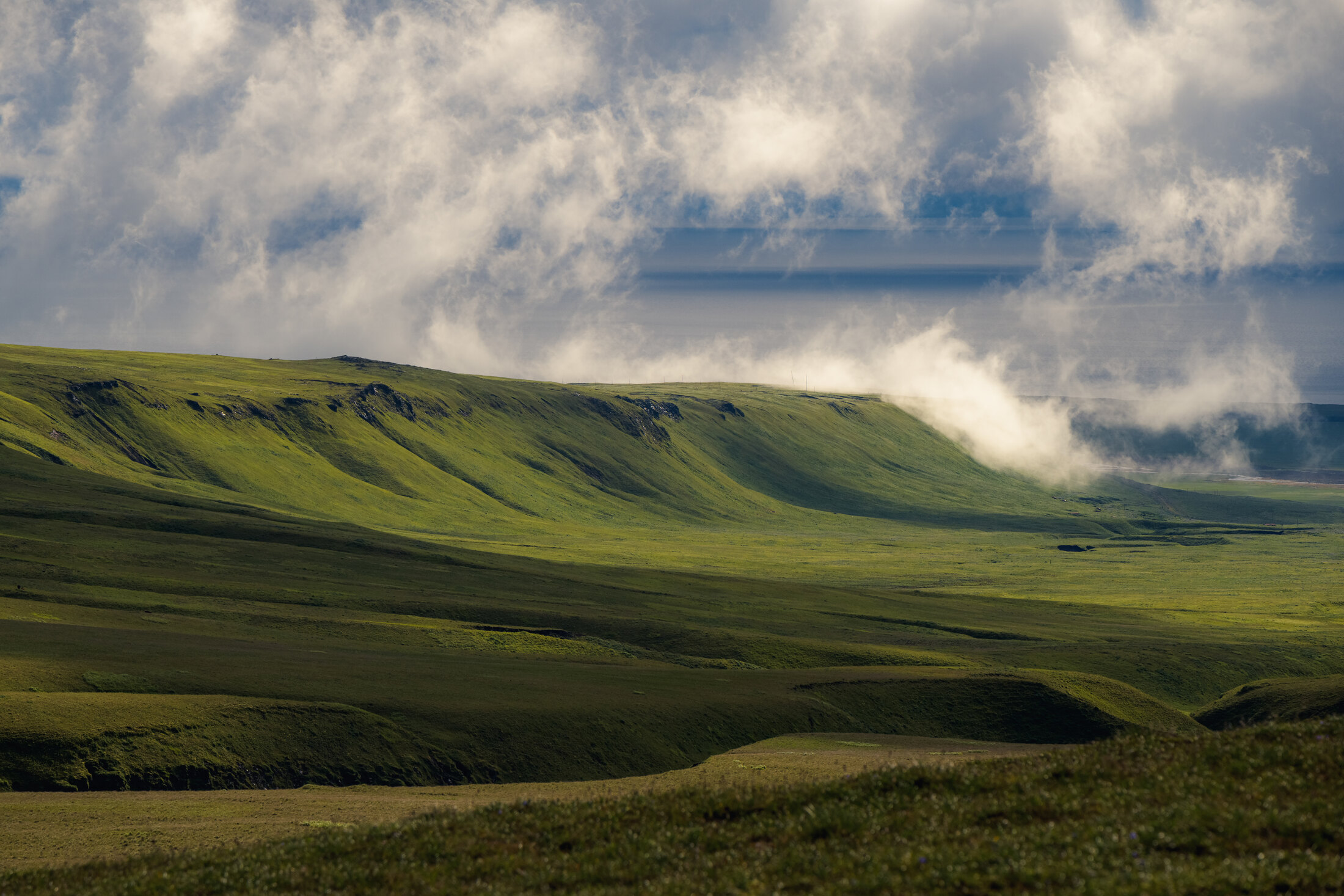
Managed rotation lets overgrazed slopes regrow and hold their soil.
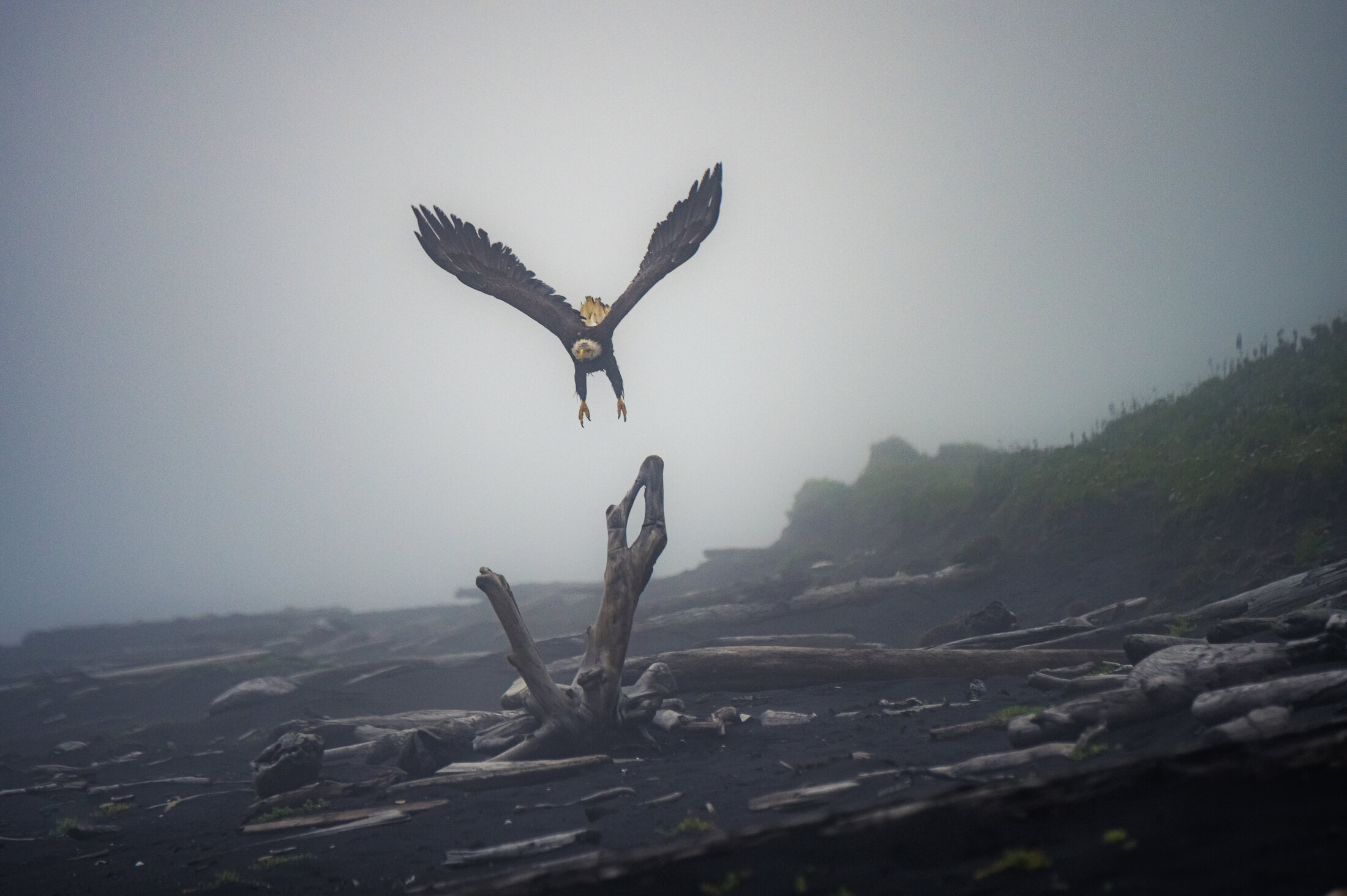
Cattle are kept off nesting grounds through the breeding season.
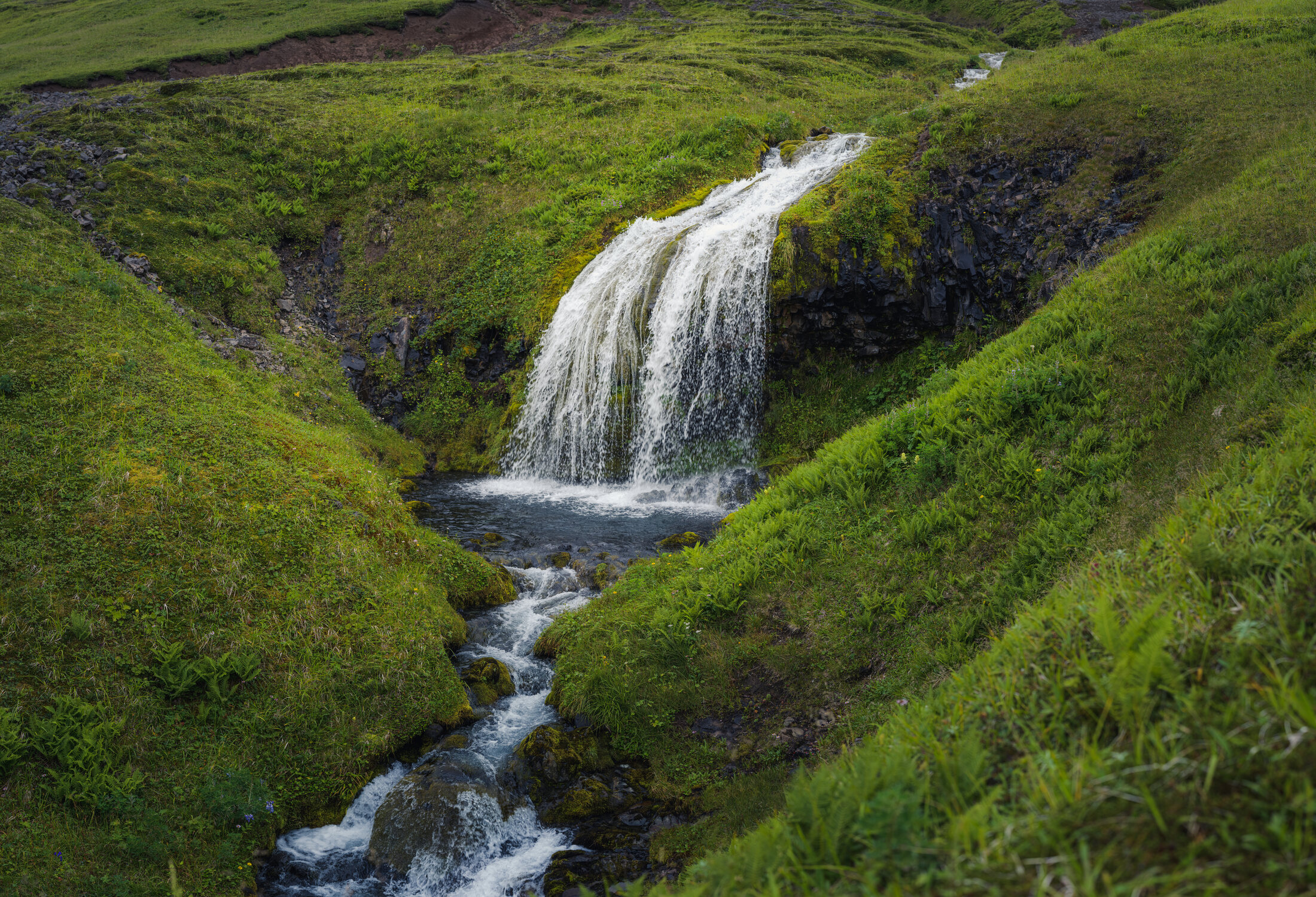
Streams and wetlands are fenced virtually, keeping banks and water clean.
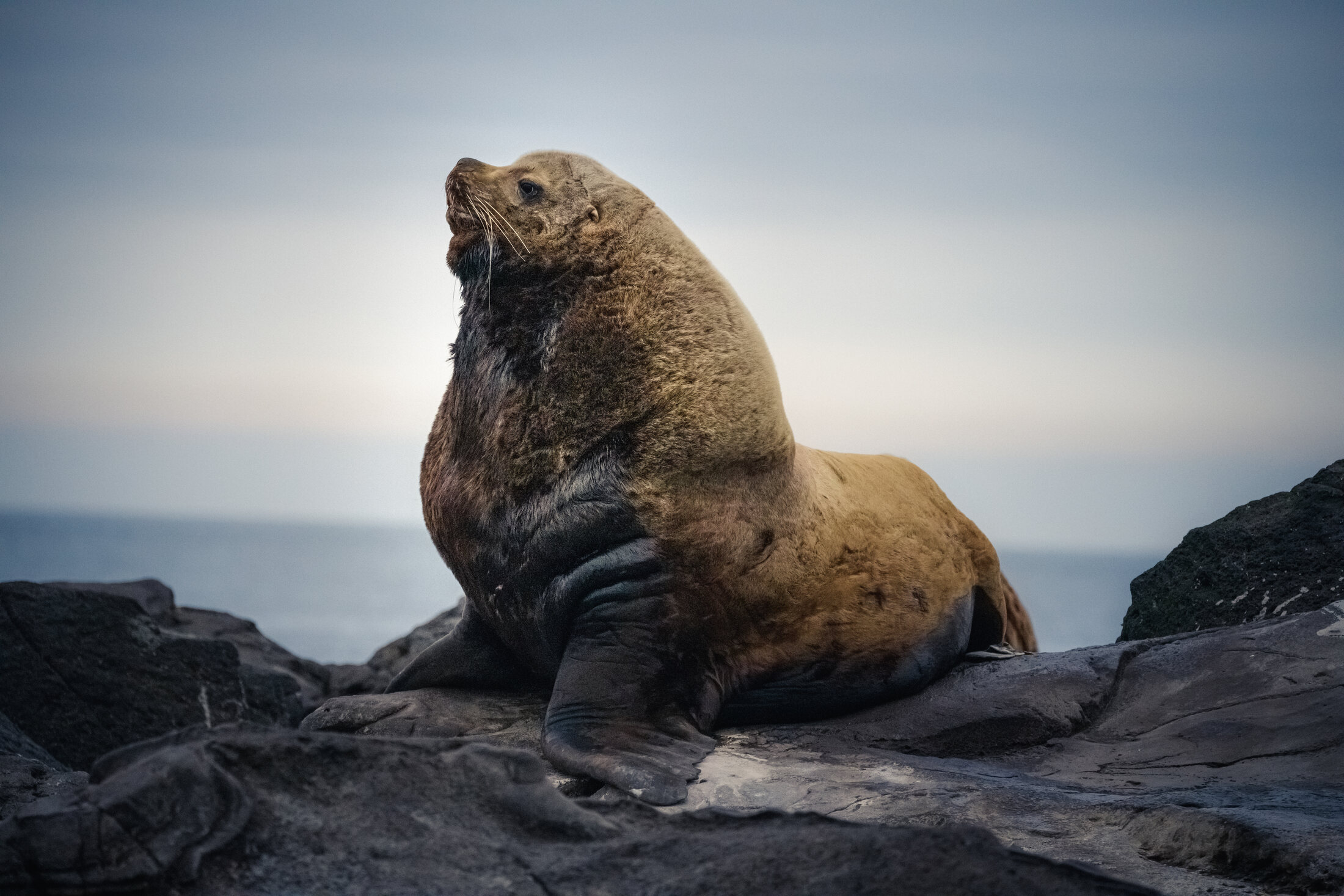
Herds stay clear of haul-outs and shoreline habitat.
Okmok & Fort Glenn
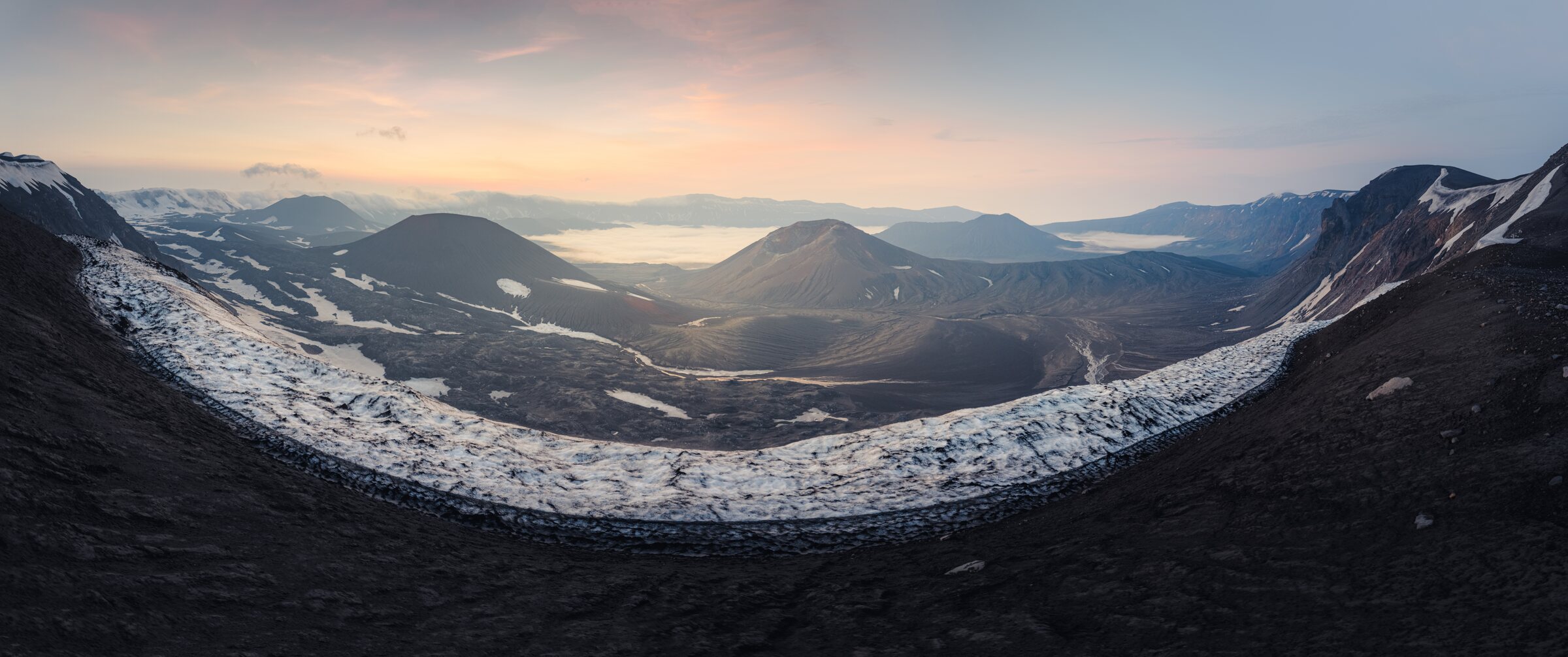
The Okmok Caldera, about 10 km wide, dominates northeastern Umnak. Its low, wide shape gave us our name and our cattle brand.
On its eastern flank sits Fort Glenn, a World War II base. Today it houses our USDA-certified facility, miles from where every animal grazed.
Climate & terrain
First release ships summer 2027